
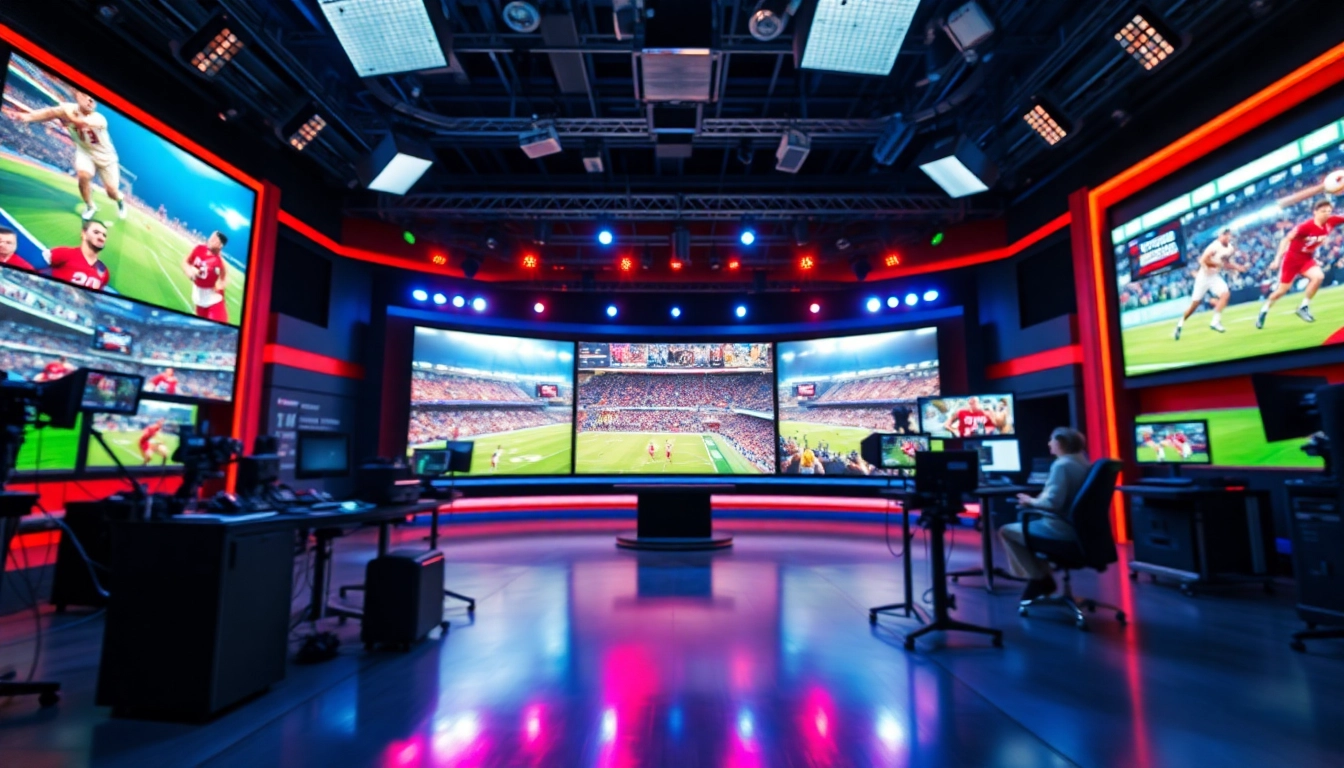
Understanding Sports Broadcasting Today
Sports broadcasting has evolved dramatically over the past few decades, becoming a crucial part of global culture. It encapsulates the thrills, drama, and communal experiences associated with sports, capturing moments that resonate with audiences. By merging entertainment with real-time information, Sports Broadcasting occupies a unique space in media. This article dives deep into the various facets of sports broadcasting, shedding light on its importance, technological advancements, current trends, and more.
Defining Sports Broadcasting and Its Importance
At its core, sports broadcasting refers to the dissemination of sports events over various media channels, including television, radio, and digital platforms. Its importance cannot be overstated; it serves as a bridge between the sporting world and fans, offering a sense of community and shared experience. Whether it’s the excitement of a last-minute goal or the suspense of a tie-breaking match, sports broadcasting allows audiences to partake in these pivotal moments, creating lasting memories.
The Role of Technology in Sports Broadcasting
Technology has transformed sports broadcasting in unprecedented ways. High-definition video, instant replays, and augmented reality (AR) are just some of the innovations that enhance viewer experience. Graphical overlays provide real-time statistics, while drones capture aerial shots, bringing audiences closer than ever to the action. Moreover, streaming platforms allow fans to watch events on-demand, reflecting a shift in how content is consumed. Technology not only raises production quality but also enables more interactive experiences, such as social media engagement during live events.
Current Trends Shaping Sports Broadcasting
The following trends are crucial in shaping the landscape of sports broadcasting:
- Streaming Services: With traditional media consumption declining, streaming has become the preferred mode for younger audiences.
- Personalization: Customizable viewing options enhance user experience tailored to individual preferences.
- Social Media Integration: Platforms like Twitter and Facebook provide real-time updates and promote audience engagement during live broadcasts.
- eSports Broadcasting: The rise of competitive gaming has opened a new frontier for broadcasters, attracting millions of viewers.
Key Components of Sports Broadcasting
Types of Sports Broadcasting: Live and Recorded
Sports broadcasting can be categorized into two main types: live and recorded. Live broadcasts provide real-time coverage of sports events, capturing the thrill as it unfolds. Recorded broadcasts, on the other hand, offer edited highlights or full replays, allowing fans to revisit significant moments at their convenience. Both formats hold value; live broadcasts create urgency and excitement, while recorded ones cater to viewers’ schedules and preferences.
Popular Sports Broadcasting Platforms
The landscape of sports broadcasting has diversified significantly, with various platforms catering to different audiences. Traditional broadcast networks still dominate, but digital and streaming platforms like YouTube, Twitch, and specialized sports streaming services have gained immense popularity. These platforms not only broaden reach but also facilitate viewer interaction through live chats and polls, thus enhancing community engagement.
Essential Skills for Sports Broadcasters
Successful sports broadcasters possess a unique skill set that combines technical abilities with personal attributes. Key skills include:
- Communication: Clear articulation is vital for delivering complex information concisely.
- Research: A deep understanding of the sport, teams, and players is fundamental.
- Analytical Thinking: Broadcasters must interpret live events and provide insightful commentary.
- Technical Proficiency: Familiarity with broadcast equipment and software enhances production quality.
Challenges in the Sports Broadcasting Industry
Addressing Rights and Licensing Issues
One of the most significant challenges sports broadcasters face is navigating the complex landscape of rights and licensing agreements with leagues and teams. Ownership of broadcasting rights can be convoluted, leading to disputes and limited access to content for broadcasters. Effective negotiation skills and a robust understanding of legal frameworks are essential to mitigate risks and ensure compliance.
Navigating Technological Changes
The rapid pace of technological advancement presents both opportunities and challenges. Broadcasters need to continually update their equipment and skills to keep pace with innovations such as 4K HDR broadcasting and interactive features. Staying relevant demands investment in training and technology, which can be a hurdle for smaller organizations.
Competing with Digital Media
As digital media grows, traditional broadcasters face stiff competition. The instant gratification offered by social media platforms complicates viewership loyalty, as fans may choose to engage with live updates instead of full matches. Broadcasters must find ways to adapt by offering unique content and experiences that digital platforms cannot replicate, such as behind-the-scenes footage or exclusive interviews.
Best Practices for Effective Sports Broadcasting
Creating Engaging Sports Content
Creating captivating sports content goes beyond simply reporting the scores. Broadcasters should focus on storytelling, providing context to games while highlighting key player statistics, emotional narratives, and historical significance. Utilizing creative visual elements and graphics can make the broadcast more engaging, catering to an audience that thrives on entertainment.
Optimizing Performance and Reach
To maximize an audience's reach, broadcasters should leverage SEO techniques for online content. Crafting compelling meta descriptions, using strategic keywords, and employing effective social media marketing can bolster visibility. Additionally, leveraging analytics helps understand viewer preferences, allowing for more tailored content that resonates with the audience.
Building Audience Loyalty Through Interaction
Engagement is key to fostering loyalty. Broadcasters can offer interactive features, such as live polls or Q&A sessions, to make viewers feel more involved. Additionally, maintaining active communication on social media platforms enhances audience connection. Personalizing interactions and being responsive to viewer feedback creates a community around the broadcast.
The Future Landscape of Sports Broadcasting
Emerging Technologies in Sports Broadcasting
As technology continues to evolve, several emerging technologies are set to transform the sports broadcasting landscape. Virtual reality (VR) has the potential to create immersive viewing experiences, allowing fans to feel as though they're actually in the stadium. Artificial intelligence (AI) could revolutionize content creation by automating highlight generation and enhancing analytics.
Predicted Trends for Viewership and Engagement
Future trends suggest a continued rise in personalized content delivery, with algorithms tailoring sports broadcasts to viewer preferences. Increased accessibility through mobile devices will allow fans to engage with content in real-time, regardless of location. Additionally, the integration of sports betting into broadcasts may also redefine how viewers interact with their favorite events.
How to Prepare for the Next Era of Sports Broadcasting
To succeed in the future landscape of sports broadcasting, organizations must be proactive. Investing in new technologies and platforms will be crucial, as will continuous professional development for teams. Broadcasters should consistently evaluate viewer engagement metrics, adapt to emerging trends, and remain agile in their content strategy to stay ahead in this dynamic industry.
Frequently Asked Questions
What is sports broadcasting?
Sports broadcasting involves disseminating live or recorded sports events across various media platforms, creating an exciting connection between sports and fans.
How has technology impacted sports broadcasting?
Technology has revolutionized sports broadcasting through high-definition video, instant replays, and interactive features, enhancing viewer experience.
What skills do sports broadcasters need?
Essential skills include communication, research, analytical thinking, and technical proficiency, crucial for delivering engaging broadcasts.
What challenges do sports broadcasters face?
Challenges include navigating rights and licensing issues, keeping pace with technological changes, and competing with digital media platforms.
How can broadcasters improve viewer engagement?
Improving engagement involves creating compelling content, leveraging social media interaction, and utilizing viewer feedback to tailor broadcasts.